



Commercial Cleaning
NEA Compliance & Professional Standards: Your Complete Guide to Commercial Cleaning Regulations in Singapore 2026
Singapore’s commercial cleaning industry operates under one of the most rigorous regulatory frameworks in Southeast Asia. For businesses engaging professional commercial cleaning services, understanding these compliance requirements is not optional. It directly affects your own regulatory standing, audit outcomes, and liability exposure. This guide covers the key regulations, certifications, and standards that define compliant commercial cleaning services in Singapore.
Singapore’s Commercial Cleaning Regulatory Framework: NEA & MOM Requirements
Two primary pieces of legislation govern commercial cleaning in Singapore:
Environmental Public Health Act (EPHA)
Administered by the National Environment Agency (NEA), the EPHA sets baseline hygiene and sanitation standards for all commercial premises. Cleaning companies must hold a valid general waste collector licence or cleaning business licence issued by NEA. Non-compliance affects both the cleaning provider and the premises operator.
Workplace Safety and Health Act (WSHA)
Administered by MOM’s Workplace Safety and Health division, the WSHA requires employers, including those who engage cleaning contractors, to ensure the safety and health of all workers on their premises. This includes proper chemical handling, fall prevention, and personal protective equipment requirements.
Non-compliance carries real consequences. NEA penalties for hygiene breaches range from $2,000 to $50,000 per offence, while MOM can impose stop-work orders and fines up to $500,000 for serious safety violations.
Professional Certifications That Separate Quality Commercial Cleaning Services
Not all cleaning companies hold the same certifications. Here is what separates professional commercial cleaning services from basic operators:
BizSAFE Certifications
The bizSAFE programme, administered by the Workplace Safety and Health Council (WSHC), has five levels. Level 3 requires a certified risk management plan. Level 4 adds an audited WSH management system. Engaging a bizSAFE-certified cleaning provider reduces your own workplace risk profile.
ISO Certifications
ISO 9001 (quality management), ISO 14001 (environmental management), and ISO 45001 (occupational health and safety) demonstrate systematic approaches to service delivery. These are voluntary but signal operational maturity that goes beyond minimum regulatory compliance.
Singapore Green Label and WSQ
The Singapore Green Labelling Scheme certifies cleaning products meeting environmental standards. The WSQ framework under SkillsFuture provides nationally recognised cleaning qualifications that ensure staff competency.
Industry-Specific Compliance: Healthcare, Food, and Controlled Environments
F&B Establishments
The Singapore Food Agency (SFA) requires food establishments to maintain hygiene standards under the Environmental Public Health (Food Hygiene) Regulations. Professional cleaning for F&B must address grease extraction, pest prevention, floor sanitisation, and cold storage hygiene, all documented for SFA inspections.
Healthcare Facilities
The Ministry of Health (MOH) mandates infection prevention and control (IPC) standards for healthcare premises. Cleaning providers must use hospital-grade disinfectants, follow colour-coded cleaning systems, and maintain cleaning logs that satisfy MOH audit requirements.
Controlled Environments
Pharmaceutical facilities, semiconductor cleanrooms, and laboratories require cleaning to ISO 14644 or GMP standards. The cleaning provider must demonstrate validated cleaning procedures, trained staff, and materials that do not introduce contaminants.
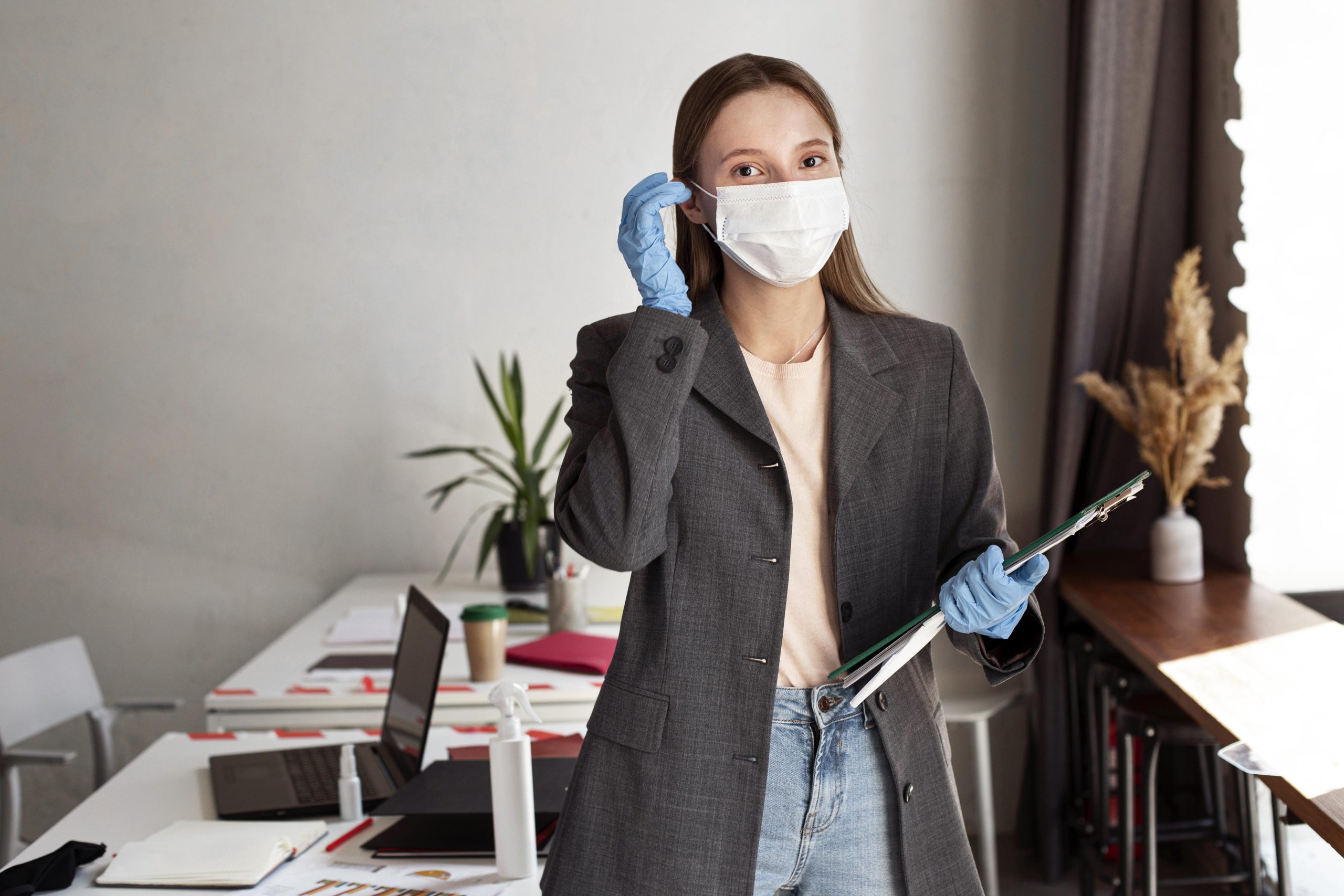
Who Provides Professional Commercial Cleaning Services That Meet Compliance Standards?
Verifying a provider’s compliance credentials requires due diligence:
- Request copies of current NEA licences and verify them on the NEA website
- Check bizSAFE certification level on the WSHC registry
- Ask for ISO certification documents and verify with the issuing body
- Request WSQ training records for staff assigned to your premises
- Confirm public liability insurance coverage and policy limits
Peniel Cleaning maintains NEA licensing, bizSAFE Level 4 certification, and deploys WSQ-certified teams across all service categories. We provide full documentation transparency for audit preparation.
Audit Readiness: How Professional Cleaning Supports Your Inspections
Regulatory audits, whether from NEA, SFA, MOH, or industry accreditation bodies, require documented evidence of cleaning compliance. A professional commercial cleaning provider should deliver:
- Maintained cleaning logs with date, time, scope, and responsible personnel for every session
- Cleaning schedules aligned with audit cycles and regulatory inspection windows
- Chemical usage records documenting products used, dilution rates, and safety data sheets
- ATP testing reports providing objective hygiene verification data
- Third-party verification services for independent confirmation of cleaning standards
Without these records, businesses face audit findings, corrective action requirements, and potential penalties regardless of actual cleanliness levels.
Future of Commercial Cleaning Standards in Singapore (2026-2030)
Singapore’s commercial cleaning standards are evolving in three key directions:
- Sustainability mandates: Carbon footprint tracking, water usage optimisation, and chemical waste reduction will become standard expectations, aligning with BCA Green Mark requirements
- Smart building integration: IoT-enabled cleaning management will move from innovation to expectation
- Elevated hygiene baselines: Post-pandemic expectations have permanently raised the bar, with enhanced disinfection protocols now standard practice rather than premium services
Businesses that partner with forward-thinking professional commercial cleaning services will be better positioned to meet evolving standards without disruptive transitions.
Compliance Is Not a Checklist — It Is an Ongoing Commitment
Singapore’s commercial cleaning regulatory landscape is one of the most demanding in the region, and it is only becoming more rigorous. For businesses operating in 2026 and beyond, the question is no longer simply whether your premises look clean — it is whether your cleaning programme can withstand scrutiny from the NEA, MOM, SFA, MOH, or any other regulatory body that walks through your door. The answer to that question lives in your documentation, your provider’s certifications, and the systems behind every cleaning session.
Choosing a professional commercial cleaning service is ultimately a risk management decision. The right provider does not just clean your premises — they protect your audit standing, reduce your liability exposure, and position your business to adapt as sustainability mandates and smart building standards reshape the industry through the rest of this decade.
The cost of getting this wrong — in fines, licence suspensions, reputational damage, and remediation requirements — far exceeds the cost of engaging a properly credentialled provider from the start. If you are unsure whether your current cleaning arrangement meets Singapore’s compliance standards, Peniel Cleaning can conduct a full documentation review and compliance assessment tailored to your industry and regulatory obligations.
Frequently Asked Questions
Who provides professional commercial cleaning services in Singapore?
Professional commercial cleaning services are provided by NEA-licensed companies with relevant certifications. Leading providers like Peniel Cleaning hold bizSAFE certifications, deploy WSQ-trained staff, and maintain comprehensive insurance coverage. Always verify credentials before engaging a provider.
What certifications should I look for when hiring a commercial cleaning company?
Essential certifications include a valid NEA licence, bizSAFE Level 3 or higher, and WSQ cleaning qualifications for staff. ISO 9001 and ISO 14001 add confidence in quality and environmental management. For specific industries, check for sector-relevant accreditations.
What happens if my premises fail a compliance audit due to cleaning deficiencies?
Consequences vary by regulator. NEA can issue fines ($2,000-$50,000), improvement notices, or prosecution. SFA can suspend food establishment licences. MOH can require immediate remediation of healthcare facilities. In all cases, documented professional cleaning records significantly improve your audit defence position.
What documentation should my cleaning vendor provide for audits?
At minimum: dated cleaning logs, chemical safety data sheets, staff training and certification records, insurance certificates, and service-level agreement compliance reports. For high-risk industries, add ATP testing results and third-party verification reports.
Do different areas of my premises require different cleaning protocols?
Yes. High-touch areas, washrooms, kitchen/pantry spaces, server rooms, medical treatment areas, and general office zones each require distinct cleaning frequencies, chemicals, and procedures. A professional provider will map these zones during initial assessment.
Is eco-certified or green cleaning required for commercial buildings?
It is not yet legally mandated for most premises, but sustainability requirements are tightening. BCA Green Mark-certified buildings may require eco-friendly cleaning as part of their certification. Businesses adopting green cleaning now gain compliance readiness and demonstrate corporate responsibility.
How will Singapore’s commercial cleaning standards evolve by 2030?
Expect expanded SS 690 requirements covering more premises types, increased sustainability reporting, integration of smart building technology with cleaning management systems, and higher baseline hygiene standards driven by post-pandemic expectations.
